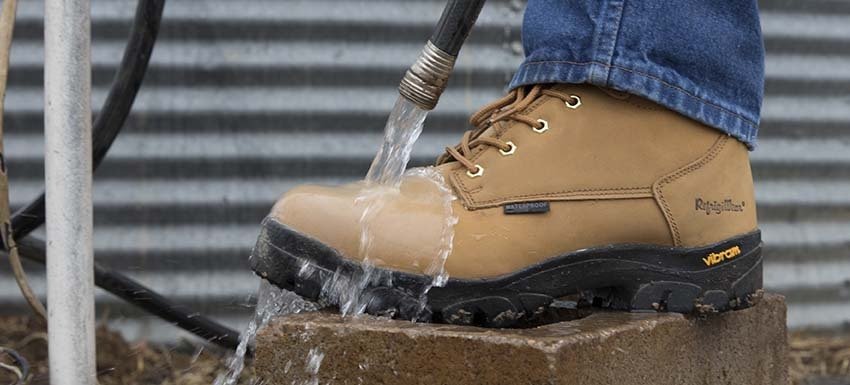
When it comes to footwear designed for harsh conditions, waterproof boots stand out as an essential investment. Whether you are hiking through wet trails, working in demanding outdoor environments, commuting during rainy seasons, or navigating snow and mud, waterproof boots provide the protection, durability, and comfort that ordinary footwear cannot deliver.
This comprehensive guide explains what makes waterproof boots essential, the different types available, key features to look for, and how to choose the best pair for your needs.
What Are Waterproof Boots?
Waterproof boots are specially designed footwear that prevents water from entering the boot, keeping your feet dry in wet and challenging conditions. Unlike water-resistant boots, which can only repel light moisture, waterproof boots use sealed seams, waterproof membranes, and treated materials to block water penetration completely.
High-quality waterproof boots are commonly made for hiking, work, hunting, winter wear, and tactical use, ensuring long-term foot protection in demanding environments.
Why Waterproof Boots Are Important
Wet feet are not just uncomfortable—they can also lead to blisters, fungal infections, reduced warmth, and fatigue. Waterproof boots solve these problems while improving overall performance.
Key Benefits of Waterproof Boots
- Dry Feet in Any Weather
Waterproof boots protect against rain, snow, puddles, and mud, keeping your feet dry throughout the day. - Enhanced Comfort
Many for these include moisture-wicking linings, cushioned insoles, and breathable membranes for all-day comfort. - Improved Durability
Designed with tough materials like full-grain leather, rubber, and synthetic reinforcements, these last longer in harsh conditions. - Better Foot Health
Dry feet reduce the risk of blisters, infections, and cold-related issues. - Versatility
They are suitable for outdoor adventures, work environments, travel, and daily use.
Types of Waterproof Boots
Choosing the right depends on how and where you plan to use them. Below are the most common categories.
1. Waterproof Hiking Boots
These boots are designed for trails, mountains, and rugged terrain. They offer excellent traction, ankle support, and breathability while keeping water out.
Best for: Hiking, trekking, backpacking
Key features: Lightweight design, waterproof membrane, aggressive outsole
2. Waterproof Work Boots
They work are built for demanding job sites, offering safety and durability alongside water protection.
Best for: Construction, farming, industrial work
Key features: Steel or composite toe, slip resistance, oil resistance
3. Waterproof Winter Boots
Designed to handle cold and wet conditions, waterroof winter bos combine insulation with weatherproof materials.
Best for: Snow, ice, cold climates
Key features: Thermal insulation, waterproof exterior, deep tread
4. Waterproof Hunting Boots
These boots are made for silent movement and long hours outdoors, often incorporating scent-blocking materials.
Best for: Hunting, wildlife observation
Key features: Camouflage design, waterproof lining, insulation
5. Waterproof Casual and Urban Boots
Modern are also available in stylish designs suitable for everyday wear.
Best for: Daily commuting, travel, city use
Key features: Sleek design, lightweight materials, subtle waterproofing
Key Features to Look for in Waterproof Boots
Not all are created equal. Understanding essential features will help you make the right choice.
Waterproof Membrane
High-quality waterproof boots often use advanced membranes that block water while allowing moisture vapor to escape, keeping feet dry and breathable.
Sealed Seams
Even waterproof materials can leak if seams are not sealed. Fully sealed seams are a must for true waterproof performance.
Breathability
Breathable shoes prevent sweat buildup, ensuring comfort during long wear periods.
Outsole Grip and Traction
A durable outsole with deep lugs improves stability on wet, muddy, or icy surfaces.
Ankle Support
Mid-cut and high-cut shoes provide extra support and reduce the risk of ankle injuries.
Insulation (If Needed)
For cold environments, look for insulated to maintain warmth without sacrificing dryness.
Materials Used in Waterproof Boots
Understanding materials helps you assess quality and durability.
- Leather: Durable, abrasion-resistant, and naturally water-resistant when treated
- Synthetic Materials: Lightweight, quick-drying, and flexible
- Rubber: Fully waterproof and ideal for extreme wet conditions
- Textile Uppers: Provide breathability and comfort when paired with waterproof linings
How to Choose the Best Waterproof Boots
When selecting waterproof boots, consider the following factors:
- Purpose – Hiking, work, winter, or casual use
- Climate – Rainy, snowy, or humid environments
- Fit and Comfort – Proper sizing prevents foot fatigue
- Weight – Lightweight boots reduce strain during long use
- Durability – Strong materials ensure long-term value
Always try waterproof boots with the socks you plan to wear and walk around to ensure comfort.
How to Care for Waterproof Boots
Proper maintenance extends the life of your waterproof boots.
- Clean dirt and mud after use
- Dry boots naturally, away from direct heat
- Apply waterproofing treatments when necessary
- Store in a cool, dry place
Good care ensures consistent waterproof performance and comfort.
Are Waterproof Boots Worth the Investment?
While those may cost more than regular footwear, their benefits justify the price. Long-lasting materials, improved comfort, and superior protection make a cost-effective solution over time—especially for people who spend significant time outdoors or in wet environments.
Final Thoughts
Waterproof boots are an essential piece of footwear for anyone facing wet, cold, or unpredictable conditions. From hiking trails to job sites and city streets, the right pair of these delivers comfort, durability, and confidence with every step.
By understanding the different types, features, and materials, you can select that perfectly match your lifestyle and needs. Investing in quality ensures dry feet, better performance, and long-term satisfaction—no matter where your journey takes you.
About the Author